Mountains of moving boxes. An intimidating maze of bags and bundles. Furniture wrapped and stacked in nearly every corner. Whether you’ve moved just across town or across the country, settling into a new home can be both exciting and exhausting.
The idea of starting fresh in a new space is energizing—but once the moving truck pulls away and you’re left standing among unopened boxes, that excitement can quickly turn into overwhelm. While it may feel easier to rush through unpacking just to get everything out of the way, doing so often leads to clutter, disorganization, and unnecessary stress.
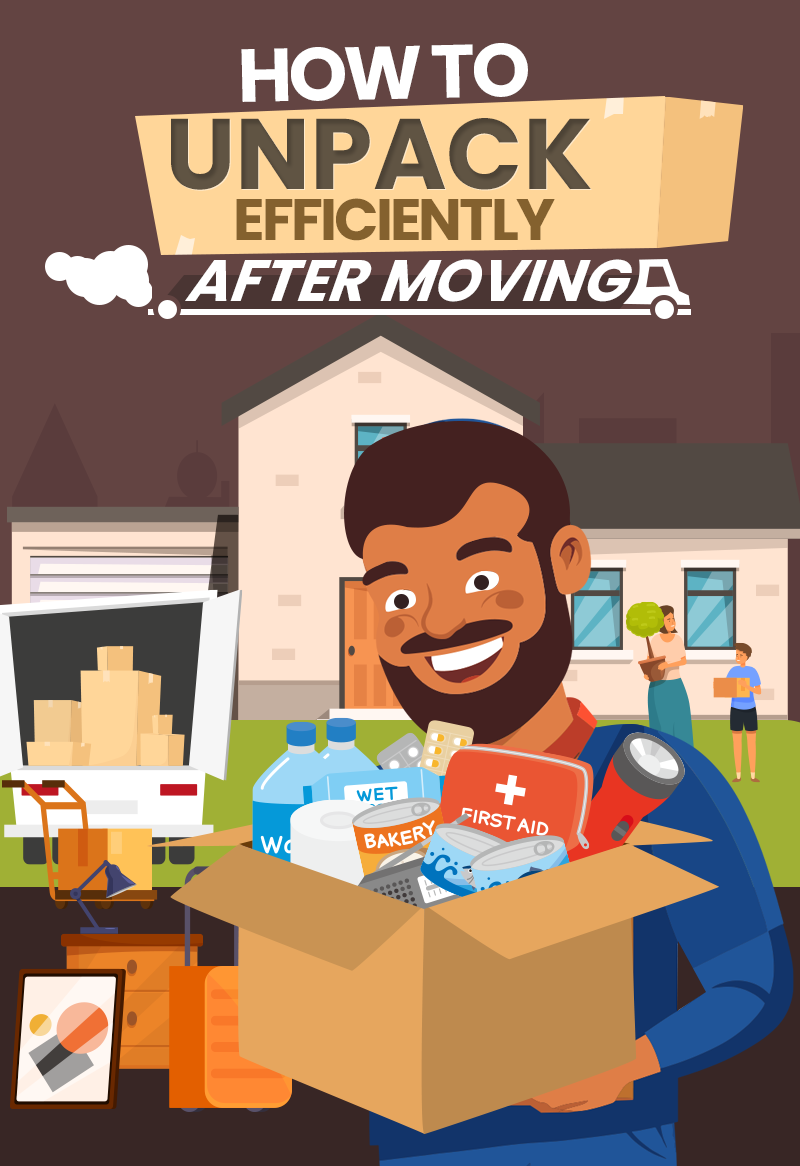
With a little planning and a thoughtful approach, unpacking after a move can feel far more manageable. These practical, step-by-step tips will help you unpack efficiently, reduce stress, and get settled into your new home comfortably—without burning yourself out.

One of the most effective ways to streamline your first few days in a new home is by starting with an essentials box, sometimes referred to as a “Day 1” bag. Ideally, this box should be packed ahead of time and kept separate from the rest of your belongings so it’s easy to locate upon arrival.
Your essentials box should include items you’ll need immediately, such as toiletries, medications, phone and laptop chargers, important documents, bedding, towels, soap, toilet paper, trash bags, snacks, and bottled water. Including a few basic kitchen items—like plates, utensils, and mugs—can also be incredibly helpful. Don’t forget simple tools such as scissors, markers, and box cutters to help with unpacking.
Moving is physically and mentally exhausting, especially if you arrive late in the day. Having these essentials readily available ensures your first night is comfortable and allows you to focus on unpacking without the frustration of searching through boxes for necessities.

Before you start unpacking, take time to organize where your boxes go. If your boxes are clearly labeled, move each one directly into its designated room as you bring it into the house. This prevents unnecessary lifting and keeps the unpacking process efficient.
If you’ve hired movers or enlisted help from friends or family, kindly ask them to place boxes in the correct rooms during unloading. This small step saves a significant amount of time later and prevents clutter from accumulating in shared spaces.
Placing boxes where they belong also allows you to unpack strategically, room by room, instead of dealing with a mix of items scattered throughout the house.

If you’ve moved your furniture with you, it’s best to handle large pieces early on—especially while rooms are still empty. Beds, sofas, desks, dining tables, and dressers define the layout of a room and help you visualize how the space will function.
Getting these bulky items in place first makes it easier to determine where smaller items should go and gives you functional spaces to rest, eat, and sleep. However, avoid assembling complex furniture like bookcases or entertainment centers too early. These pieces often require time and energy, and you may need to move them again once the rest of your furniture is arranged.
Waiting until you’re confident in the layout prevents unnecessary disassembly and saves valuable energy during the early days of your move.

The most efficient way to unpack after a move is to focus on one room at a time rather than juggling several cluttered, half-unpacked spaces. Ideally, your moving boxes were already placed in their designated rooms to make the unpacking process easier and more organized. Experts recommend starting with the most frequently used areas of your home. Begin with the kitchen, followed by the bathrooms and bedrooms, before moving on to living rooms, family rooms, and other shared spaces.
Try to fully set up one room before moving on to the next to avoid feeling overwhelmed. Keep in mind that the primary goal when unpacking is to make your home functional and livable as quickly as possible. Decorative items such as framed photos, artwork, and wall décor are largely aesthetic and can wait until the most essential rooms are settled.
Kitchen
At some point, you and your family are going to want to eat, which is why the kitchen should be the first room you unpack. Setting up your basic kitchen essentials early helps you avoid relying on takeout for every meal and makes your new space feel more like home. If you don’t have time to unpack the entire kitchen, focus only on what you need to prepare simple meals. Consider what you’ll realistically use during the first few days and unpack accordingly.
Start with the following kitchen essentials:
Glasses and mugs
Everyday dishware
Spoons, forks, and knives
A chef’s knife and cutting board
Basic cookware, such as pots and pans
Small appliances like a coffee maker or toaster
Potholders and oven mitts
Dish soap, sponges, and dishcloths
Towels, paper towels, and cleaning supplies
If you don’t plan on cooking elaborate meals right away, you can delay unpacking specialty cookware and bakeware until you’ve tackled other priority areas in the home.
Bathroom
As long as the water is turned on in your new home, the bathroom is usually functional right away. Focus on unpacking personal essentials such as towels, toiletries, body care products, medications, and basic cleaning items. Be sure to hang the shower curtain and place a bath mat so the bathroom is comfortable and convenient to use from day one.
Bedroom
Bedrooms should be next, as having a comfortable place to sleep is essential on moving day. If you’ve moved with family, allow each person to unpack their own bedroom when possible. Even children can help unpack their belongings, which can make the transition feel more personal and exciting.
Start by setting up the bed, whether that means assembling a bed frame or unrolling a new mattress. Once the bed is ready, making it should be quick and easy. Don’t forget to unpack bedside essentials such as lamps, tissues, books, and phone chargers. When it comes to dressers and closets, there’s no need to unpack everything immediately. Prioritize a few outfits you’ll need over the next few days, along with basic shoes and personal items, and save the rest for later.

Once the most frequently used areas of your home are unpacked, you can shift your focus to less essential spaces such as the garage, basement, guest bedrooms, patio or balcony, and other utility areas. Tackling these rooms later helps you stay organized and prevents unnecessary overwhelm during the unpacking process.
When unpacking the garage, prioritize tools and materials needed to keep your home running smoothly. Outdoor spaces like a patio, deck, or balcony can be set up at your own pace, depending on the season you’ve moved. For example, if you’ve relocated during the summer, setting up the barbecue grill early gives you an additional space to cook and entertain. If you work from home, unpacking and organizing your home office should be a top priority. Likewise, if your new home has a mudroom and you’ve moved in the fall or winter, addressing it early allows for an easy transition by giving everyone a place to remove shoes and coats before entering the main living areas.

Boxes, bubble wrap, and packing paper everywhere—this is often what your home looks like during the first few days or even weeks after a move. As you unpack your belongings, packing materials can quickly pile up, making it important to stay on top of clutter and keep the unpacking process organized, manageable, and less stressful.
Flatten moving boxes as soon as they’re emptied and stack them neatly out of the way. Decide whether you plan to recycle them, save a few for storage, or pass them along to someone else who may be moving soon. Collect bubble wrap, packing paper, and other protective materials in one place for recycling or disposal. If you’re short on time, consider using an unused room or designated storage area to temporarily store packing supplies so they stay out of your most frequently used living spaces.

The most important thing to remember when unpacking after a move is that there’s no need to rush the process. While it’s natural to want your new home fully set up as quickly as possible, it’s perfectly okay to take your time and settle in at a pace that feels right for you.
Focus on unpacking a few boxes or completing one room each day, take breaks when needed, and enjoy the process of organizing your new space. As you go, hang artwork and display family photos to make your home feel warm, comfortable, and familiar. Celebrate small milestones, avoid setting strict deadlines for unpacking, and allow yourself to enjoy the experience of making your new house feel like home.